 Free Shipping Above ₹800

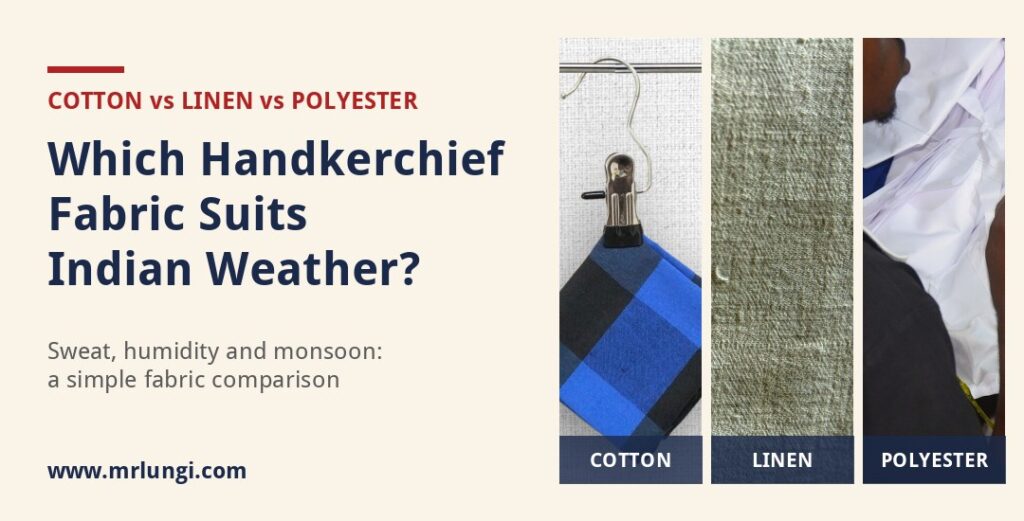
Short answer: for Indian weather, cotton is the best handkerchief fabric for daily use. It soaks up sweat, lets air through in humid heat and gets softer with every wash. Linen is even cooler and dries faster, but it wrinkles and costs more. Polyester is cheap and dries quickly, but it barely absorbs sweat, so it is the weakest choice for hot days.
Most people pick a handkerchief by its colour or design. The fabric matters more. On a 38°C afternoon in Chennai or a sticky monsoon day in Mumbai, the wrong fabric just moves sweat around your face. This guide compares the three fabrics you will find in shops, so you can choose the one that actually works in our climate.
Cotton vs linen vs polyester: quick comparison
| Feature | Cotton | Linen | Polyester |
|---|---|---|---|
| Made from | Cotton plant fibre | Flax plant fibre | Plastic (petroleum-based) |
| Absorbs sweat | Very well | Very well | Poorly |
| Moisture regain* | About 8.5% | About 12% | About 0.4% |
| Feel in humid heat | Soft, breathable | Cool, crisp | Sticky, warm |
| Drying time | Medium | Fast | Very fast |
| Holds body odour | Low | Low | High |
| Wrinkles | Some | A lot | Hardly any |
| Gets softer with washing | Yes | Yes, a lot | No |
| Price | Low to medium | High | Very low |
| Best for | Daily use, all seasons | Hot, humid days; gifting | Decoration only |
*Moisture regain is a standard textile measure of how much water a fibre holds from the air. Higher means it absorbs more.
Cotton handkerchiefs: the everyday choice
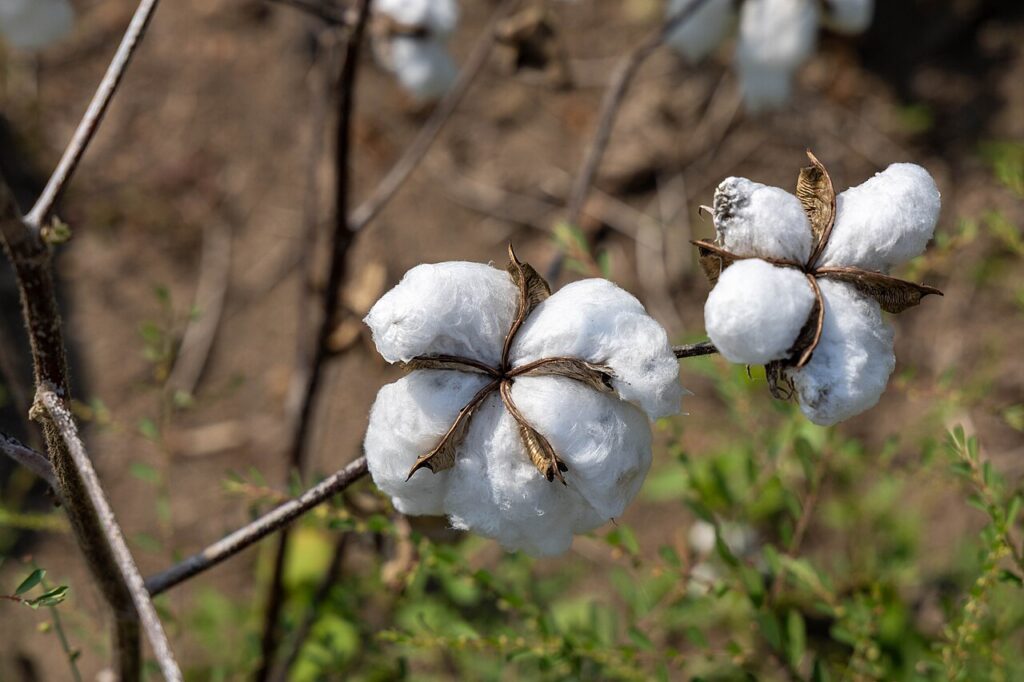
Cotton is a natural plant fibre, and India grows more of it than almost any other country. A cotton handkerchief soaks up sweat instead of smearing it, lets air pass through, and stays comfortable against the skin even after a long day. That is why the humble cotton hanky has been the default in Indian pockets for generations.
The way the cotton is made matters too. Woven cotton, where the checks or stripes are dyed into the yarn before weaving, keeps its colour far longer than printed handkerchiefs, where the design sits on the surface.
- Good: absorbent, breathable, soft, easy to wash daily, affordable.
- Not so good: dries slower than linen or polyester; thick cotton can feel bulky in a pocket.
Linen handkerchiefs: cool but costly
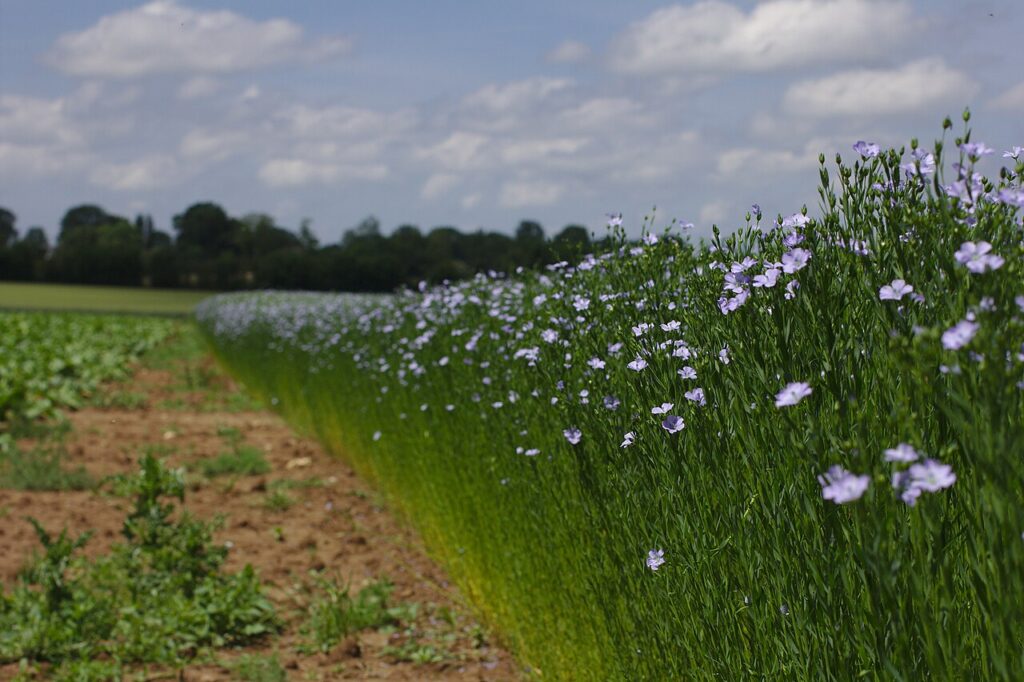
Linen comes from the stem of the flax plant. Its fibres are longer and stiffer than cotton, which makes the fabric feel cool and crisp. Linen absorbs plenty of moisture and also lets it go quickly, so a linen handkerchief dries faster than a cotton one. In very humid weather that is a real advantage.
The downsides are practical. Linen creases the moment you fold it, feels a little rough until it has been washed a few times, and costs several times more than cotton. Most flax is grown in cooler countries, so linen handkerchiefs in India are usually imported or sold as premium gift items.
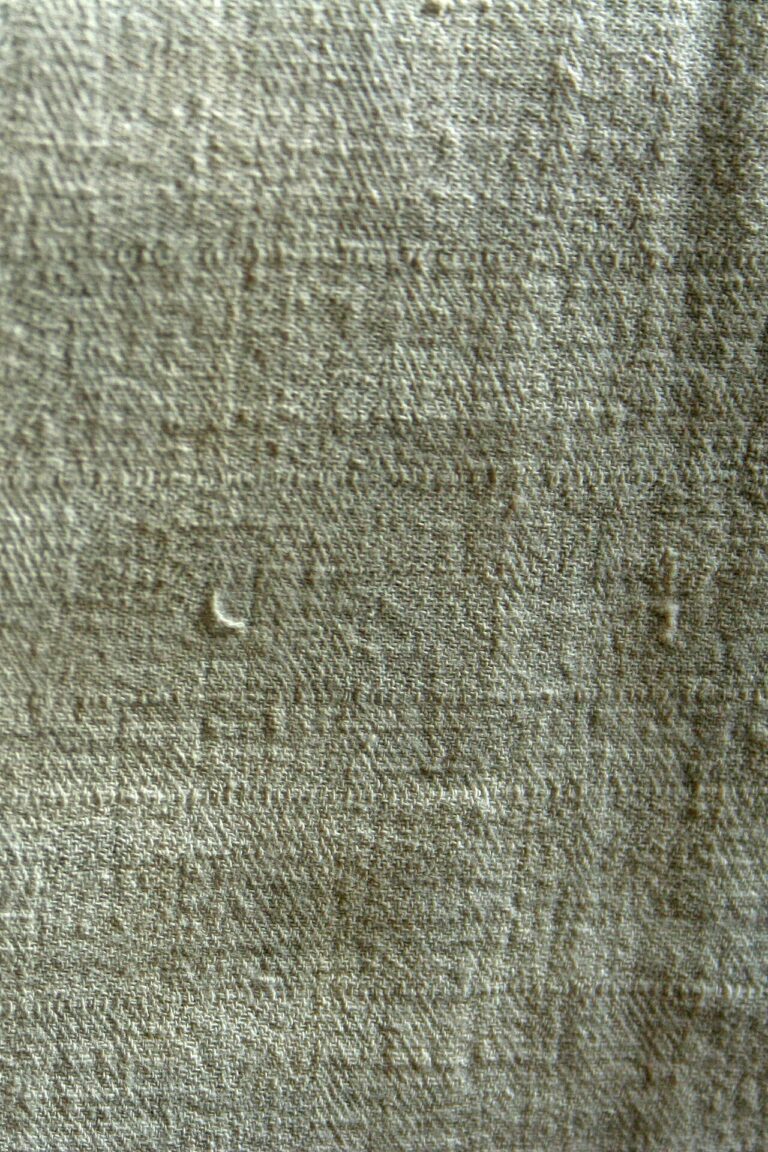
- Good: very cool, absorbent, quick-drying, gets softer with age, long-lasting.
- Not so good: expensive, wrinkles heavily, stiffer at first, harder to find.
Polyester handkerchiefs: cheap but sweaty
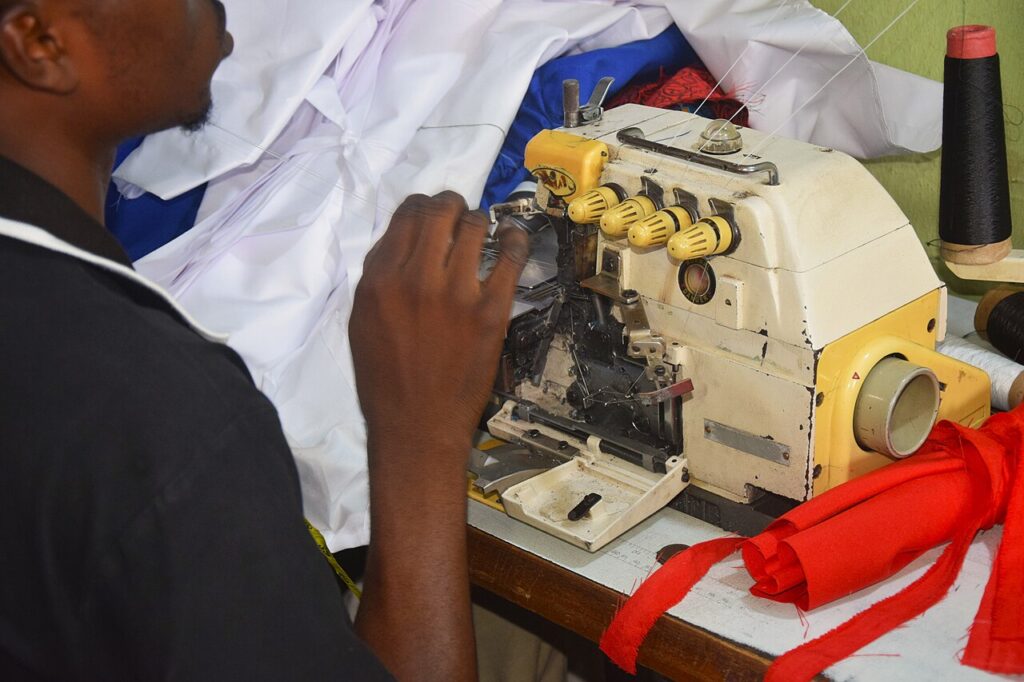
Polyester is a synthetic fibre made from petroleum. Its biggest selling point is price. It is also light, holds bright prints well, dries very fast and does not wrinkle.
The problem is what happens when you sweat. Polyester absorbs almost no water, so instead of soaking up sweat it pushes it around your face and neck. In humid weather it starts to feel clammy within minutes. Studies have also found that sweaty polyester clothing holds on to body odour more than cotton. A polyester handkerchief is fine as a decorative pocket square, but not as something you actually use.
- Good: very cheap, quick-drying, wrinkle-free, bright colours.
- Not so good: poor sweat absorption, clammy in heat, can smell, can irritate sensitive skin.
Which fabric works best in each Indian climate?
| Climate | Typical places | Best fabric | Why |
|---|---|---|---|
| Hot and humid | Chennai, Mumbai, Kolkata, Kochi | Cotton or linen | You sweat all day; you need a fabric that absorbs and breathes |
| Hot and dry summer | Delhi, Jaipur, Nagpur, Hyderabad | Cotton | Absorbs sweat and can be dampened to cool your face and neck |
| Monsoon | Most of India, June to September | Thin cotton or linen | Thin fabric dries faster when the air is already wet |
| Cool or hill areas | Bengaluru, Ooty, Shimla, the North-East | Cotton | Light sweating, and cotton is soft for colds and runny noses |
| Air-conditioned office | Anywhere | Cotton | Comfortable, smart-looking and easy to wash every day |
Which fabric for which use?
| Use | Best fabric | Avoid |
|---|---|---|
| Wiping sweat on the go | Cotton | Polyester |
| Two-wheeler rides (face and neck) | Cotton | Polyester |
| Cold, flu or sensitive skin | Soft, washed cotton | New linen, polyester |
| Formal events and gifting | Linen or fine cotton | — |
| Blazer pocket square (not for use) | Any, including polyester or silk | — |
| Travel and gym bag | Thin cotton or linen | Thick cotton |
How to tell what your handkerchief is made of
Labels on cheap handkerchiefs are not always accurate. These quick checks help:
- Water drop test: put a drop of water on the fabric. Cotton and linen soak it in within seconds. On polyester, the drop sits on top like a bead.
- Feel test: cotton feels soft and slightly matte. Linen feels cool, crisp and a little uneven. Polyester feels smooth, slippery and often shiny.
- Crumple test: squeeze it in your fist for ten seconds. Linen comes out full of creases, cotton has some, and polyester springs back almost flat.
- Wash test: after a few washes, cotton and linen get softer, while polyester feels the same and starts to pill.
What about cotton-polyester blends?
Many low-priced handkerchiefs are a blend, often 65% polyester and 35% cotton. Blends wrinkle less and cost less than pure cotton, but every bit of polyester reduces how much sweat the fabric can hold. For a handkerchief you will use on hot days, 100% cotton is worth the small extra cost.
Why our handkerchiefs are 100% cotton

Every Mr. Lungi handkerchief is cut from the same woven cotton we use for our lungis, so it is made for South Indian heat. We explain more about that fabric in why lungi fabric makes the best handkerchief material. Each one is 38 × 38 cm, the size we recommend in our handkerchief size guide.
If you want a full week covered, the Cotton Handkerchief Set of 8 costs ₹449 and ships free. You can also browse every design in our cotton handkerchiefs collection, or read how many handkerchiefs you really need.
Frequently asked questions
Which handkerchief fabric is best for Indian weather?
Cotton. It absorbs sweat, breathes in humid heat, is gentle on skin and is easy to wash every day. Linen is a good second choice if you do not mind the higher price and wrinkles.
Is linen better than cotton for a handkerchief?
Linen is cooler and dries faster, so it is slightly better in very humid weather. Cotton is softer from day one, wrinkles less, costs less and is easier to find, which makes it the better everyday choice for most people.
Are polyester handkerchiefs good for sweat?
No. Polyester absorbs very little moisture, so it spreads sweat across your skin instead of soaking it up. It can also hold on to body odour after use.
How can I check if my handkerchief is pure cotton?
Put a drop of water on it. Cotton soaks it in within a few seconds, while polyester lets it sit on top as a bead. Cotton also feels soft and slightly matte, while polyester feels slippery and shiny.
Do cotton handkerchiefs dry quickly?
A thin woven cotton handkerchief dries in a few hours on a line, even in humid weather. It dries slower than polyester, but it is far more useful because it actually absorbs sweat.
Photo credits: Cotton boll by Nanditha Gogate, WELL Labs (Wikimedia Commons, CC BY-SA 4.0). Flax field by Stanzilla (Wikimedia Commons, CC BY-SA 3.0). Linen texture by Gordana Adamovic-Mladenovic (Wikimedia Commons, CC BY 2.0). Polyester sewing by Kambai Akau (Wikimedia Commons, CC BY-SA 4.0). Photos resized.
