 Free Shipping Above ₹800

Short answer: a cotton handkerchief is far more than a sweat cloth. The 15 most useful everyday jobs are: a dust mask on your bike, a sun cover for your head, a wet cooling cloth in the heat, a hand towel when there is no dryer, a lunch napkin, a grip for a hot tea glass, a lens cleaner for glasses and phones, a quick face freshener before a meeting, a pocket square at weddings, a head cover at the gurudwara or temple, a gym and cricket sweat cloth, a first-aid pad, a gift wrap, a kid-care cloth and a luggage marker. Carry one in your pocket and one in your bag, and you are covered for almost all of them.
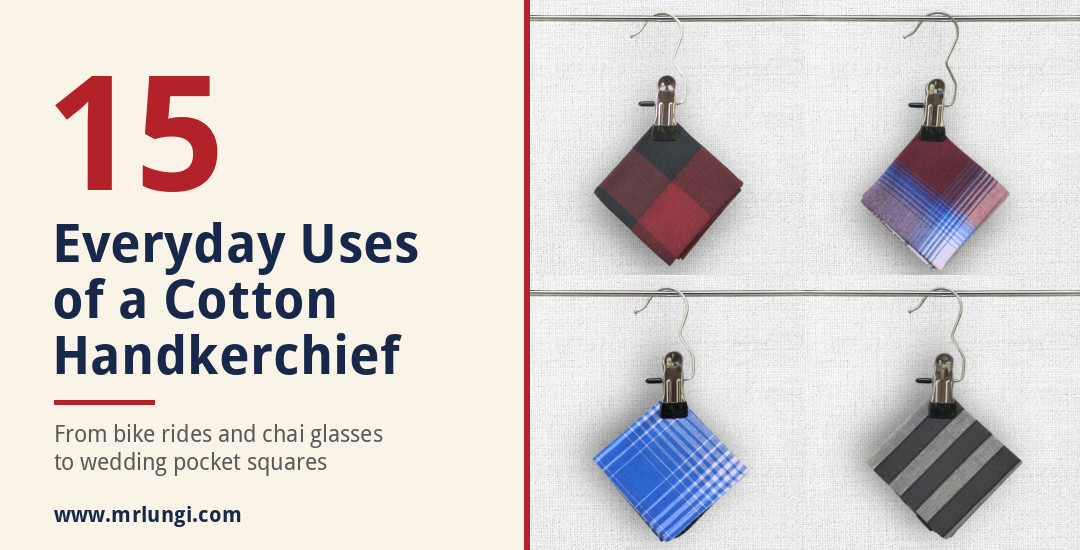
Most of us only reach for a hanky when we are sweating. But a square of woven cotton is one of the most flexible things you can carry. It folds small, survives a hundred washes and works as a towel, a mask, a cap, a napkin or a bandage. This guide walks through 15 real situations from an ordinary Indian day, with a quick tip for each one.
Already convinced handkerchiefs beat paper? We covered that in handkerchief vs tissue. This post is about what you can actually do with one.
15 uses of a cotton handkerchief at a glance
| # | Use | When it helps | Quick tip |
|---|---|---|---|
| 1 | Dust mask | Two-wheeler rides, construction areas | Fold into a triangle, tie behind the head |
| 2 | Sun cover | Midday walks, bus stops, temple queues | Knot the four corners into a cap |
| 3 | Cooling cloth | Heatwave days, long travel | Wet it, wring it, drape it on the neck |
| 4 | Hand towel | Highway stops, office washrooms with no dryer | Keep one hanky only for drying hands |
| 5 | Lunch napkin | Office lunch, train meals, street food | Spread it on your lap before you eat |
| 6 | Hot glass grip | Roadside chai, steel tumbler filter coffee | Wrap it twice around the glass |
| 7 | Lens cleaner | Glasses, phone screen, watch face | Use a clean, dry corner, no water |
| 8 | Face freshener | Before a meeting, interview or photo | Dab, don’t rub, to remove oil and sweat |
| 9 | Pocket square | Weddings, receptions, office events | A flat or one-point fold in a blazer |
| 10 | Head cover | Gurudwara, some temples and dargahs | Tie the corners at the back of the head |
| 11 | Sports sweat cloth | Gym, cricket, badminton, running | Tuck it in your waistband or wrist |
| 12 | First-aid pad | Small cuts, scrapes, a sprained wrist | Fold into a thick pad and press firmly |
| 13 | Gift wrap | Small gifts, return gifts, cash gifts | Furoshiki-style: tie opposite corners |
| 14 | Kid-care cloth | Wiping little hands and faces, a quick bib | Keep a soft, light-coloured one in the bag |
| 15 | Luggage marker | Airports, bus and train stations | Tie a bright hanky to the bag handle |
On the road: uses 1 to 4
1. Dust and smoke mask on a two-wheeler
Anyone who rides a bike or scooter in an Indian city knows the dust, exhaust and sudden roadwork. A cotton handkerchief folded into a triangle and tied behind your head covers the nose and mouth well enough to keep out grit and the worst of the smoke. Cotton breathes, so it does not fog up or feel stuffy under a helmet. Darker checks hide road dust, so keep one darker hanky just for riding.
2. Sun cover for your head and neck
Caught in the noon sun at a bus stop or in a long temple queue? Tie a small knot at each corner of your handkerchief and you have a simple cap. Or drape it over the back of your neck under your collar, the spot that burns first. A 45 cm hanky gives better cover than a small one. Our handkerchief size guide explains which size suits which job.
3. Wet cooling cloth on a hot day
This one is a summer lifesaver. Soak the handkerchief in water, wring it out and drape it around your neck or across your forehead. As the water evaporates it cools the skin, the same idea as the wet towel elders put on their heads. Cotton holds water well and dries without smelling, which is why it works better than synthetic cloth.
4. Hand towel when there is no dryer
Highway dhabas, railway stations, many office washrooms: the tap works, but there is nothing to dry your hands with. A handkerchief solves it. If you use one for this often, keep a separate hanky just for hands so the one you use on your face stays fresh.

At the table: uses 5 and 6
5. Lunch napkin at work, on trains and at street stalls
Spread a handkerchief on your lap before you open your tiffin and you keep sambar and chutney off your trousers. On a long train journey it doubles as a small placemat on the berth. At the pani puri stall it beats the thin paper napkin that tears halfway through. Wash it the same evening.
6. A grip for a hot tea glass or steel tumbler
Roadside chai in a thin glass and filter coffee in a steel tumbler are both too hot to hold at first. Wrap your handkerchief around the glass twice and you can hold it comfortably while it cools. Thick, tightly woven cotton insulates better than a thin printed hanky.
At work and on occasions: uses 7 to 10
7. Cleaning glasses, phone screens and watch faces
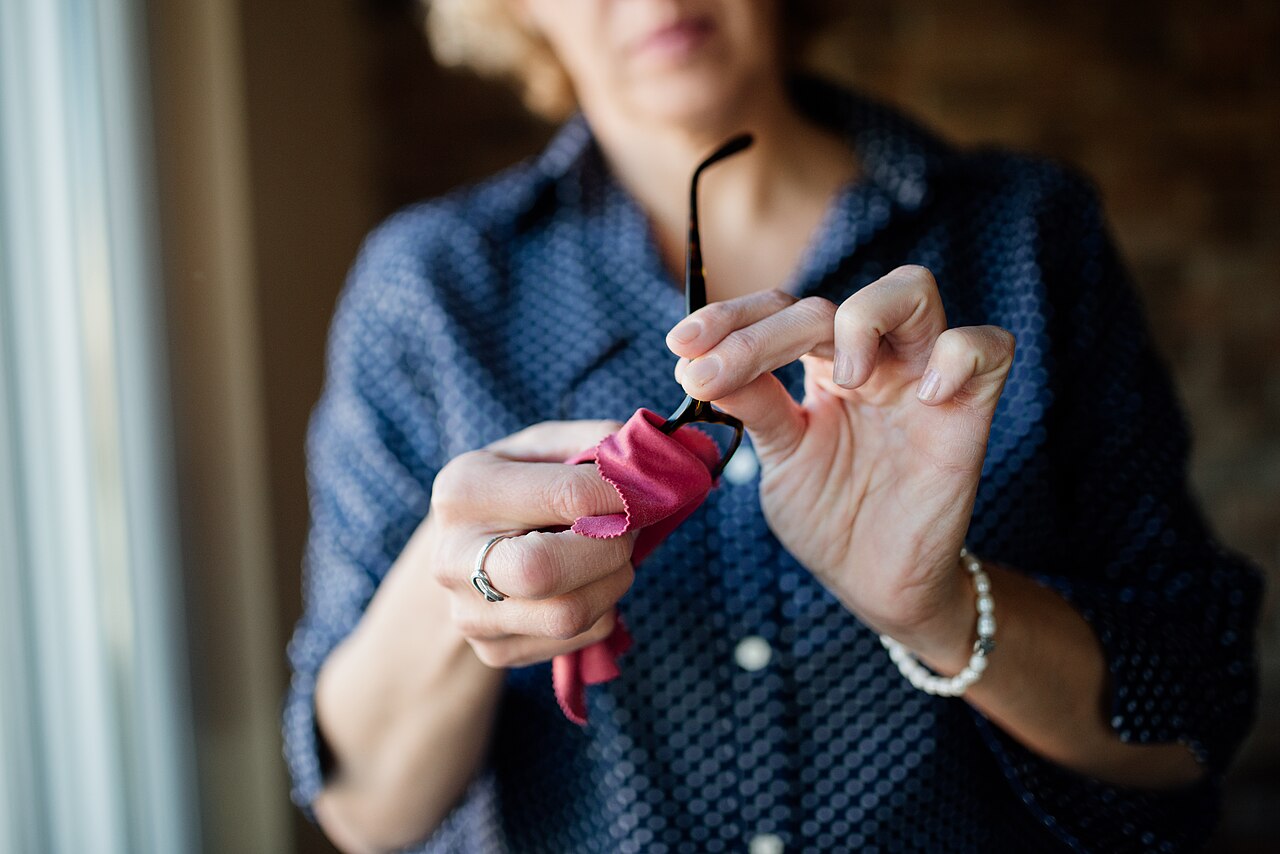
A clean, soft cotton handkerchief is one of the easiest ways to wipe smudges off spectacles, sunglasses and phone screens. Use a dry corner, breathe on the lens if needed, and wipe gently in circles. Avoid a hanky you have used for sweat, because the salt and oil will just smear.
8. A quick freshen-up before a meeting or interview
After a hot commute, a quick dab across the forehead, nose and upper lip removes shine and sweat before you walk into a meeting, an interview or a family photo. Dab, don’t rub, so your skin does not go red. This is one reason many men carry a handkerchief every day.
9. Pocket square for weddings and functions
A neatly folded hanky in a blazer pocket lifts a plain outfit for a wedding reception, office party or festival function. Pick a colour from your shirt or tie, not an exact match. A simple flat fold with a thin strip showing is the safest style. Madras checks look especially good against a plain navy or grey jacket.


10. Head cover at the gurudwara, temple or dargah
Many places of worship ask visitors to cover their heads. If you have forgotten a scarf, a cotton handkerchief tied at the back of the head is accepted at most gurudwaras and dargahs. Choose a plain or subtle check rather than a loud print, and keep it clean for this purpose.
Sports, first aid and family: uses 11 to 14
11. Gym, cricket and badminton sweat cloth
A full-size towel is bulky to carry around a cricket ground or badminton court. A handkerchief tucked in your waistband or tied around your wrist catches sweat before it reaches your eyes or your grip. Cotton absorbs fast and dries in the kit bag by the next session.
12. A first-aid pad for small injuries
For a small cut or a scraped knee, fold a clean handkerchief into a thick pad and press firmly to slow bleeding until you can clean and dress the wound properly. A larger hanky folded into a triangle can also support a sprained wrist as a small sling. This is for minor injuries only. Anything deep or serious needs a doctor.
13. Gift wrap for small gifts and return gifts
Japanese furoshiki wrapping works perfectly with a handkerchief. Put a small gift in the centre, tie opposite corners over the top and you have a neat bundle with no paper or tape. The wrap becomes part of the gift. It is also a neat way to hand over cash at a function. For more ideas, see why handkerchiefs make thoughtful gifts.

14. A kid-care cloth in the bag
Parents of small children always need something to wipe sticky hands, a runny face or spilt juice. A soft cotton handkerchief is gentler than a wet wipe and does not dry out the skin. Tucked into a collar it also works as a quick bib at a restaurant.
Travel: use 15
15. A luggage marker at airports and stations
On a baggage belt full of identical black suitcases, a bright red handkerchief tied to the handle helps you spot yours in seconds. It works on bus and train luggage too. Use your loudest hanky for this one.

Which handkerchief works best for which job?
You do not need a different hanky for every task, but matching colour and pattern to the job helps a lot.
| Job | Best choice | Why | Try |
|---|---|---|---|
| Riding, dust, sports | Dark micro check or stripes | Hides dust and sweat marks | Micro Check pack |
| Pocket square, functions | Madras check | Classic look, rich colours | Madras Check pack |
| Gift wrap | Chess or ring designs | Bright and festive | Chess Check set |
| Luggage marker | Solid bright red | Easy to spot from far | Red pack of 5 |
| Glasses, face, kids | Soft, lighter colours, kept clean | No dye rub-off, easy to see dirt | Stripes pack |

The two-handkerchief rule
Once you start using a hanky for all these jobs, one is not enough. Carry two:
- Pocket hanky: kept clean, for your face, glasses and as a pocket square.
- Bag hanky: for the rough work: drying hands, the hot glass, dust on the bike and wiping a bench before you sit.
- Swap both for fresh ones every day. A week’s rotation means around 8 to 10 hankies. Here’s how many handkerchiefs a man should own.
The easiest way to start is our cotton handkerchief set of 8: eight different woven designs, so you always have a dark one for the road and a smart one for the pocket.
Frequently asked questions
What are the main uses of a handkerchief?
Beyond wiping sweat, a cotton handkerchief works as a dust mask, sun cover, cooling cloth, hand towel, napkin, glasses cleaner, pocket square, head cover, sports sweat cloth, first-aid pad, gift wrap and luggage marker.
Can a handkerchief be used as a face mask?
Yes, for dust and smoke on a bike ride. Fold it into a triangle and tie it behind your head. It is not a medical mask and does not protect against viruses the way a proper mask does.
Is it hygienic to use one handkerchief for everything?
Not really. Keep one clean hanky for your face and glasses and a second one for hands, food and dusty jobs, and change both every day.
Which handkerchief material is best for everyday use?
Pure woven cotton. It absorbs sweat and water quickly, stays cool in humid weather, is soft on skin and lasts through hundreds of washes.
Can I use a handkerchief to clean my glasses?
Yes, as long as it is clean and dry. A hanky you have used for sweat will leave oily smears, so keep a fresh corner or a separate hanky for lenses.
